
April is Fair Housing Month, and this year marks the 57th anniversary of the Fair Housing Act, signed on April 11, 1968. At Pickens County Habitat for Humanity, fair housing is not an abstract legal concept. It is the framework that makes the work we do possible, and we see its impact in the families we serve every day.
To understand why, it helps to go back to what housing in America looked like before the law existed.
In 1968, a veteran back from Vietnam could be turned away from an apartment because of the color of his skin. A nurse could be told a unit was unavailable, then watch someone else sign the lease that same afternoon. A firefighter's family could be steered away from a neighborhood by a real estate agent who had already decided where they belonged. A single mother could be denied a mortgage her income qualified her for, because she had children.
None of that required malice to be documented. It just required a phone call, a showing that never got scheduled, a loan that came back denied without explanation. It was legal, it was common, and it locked entire families out of homeownership for reasons that had nothing to do with whether they could pay.
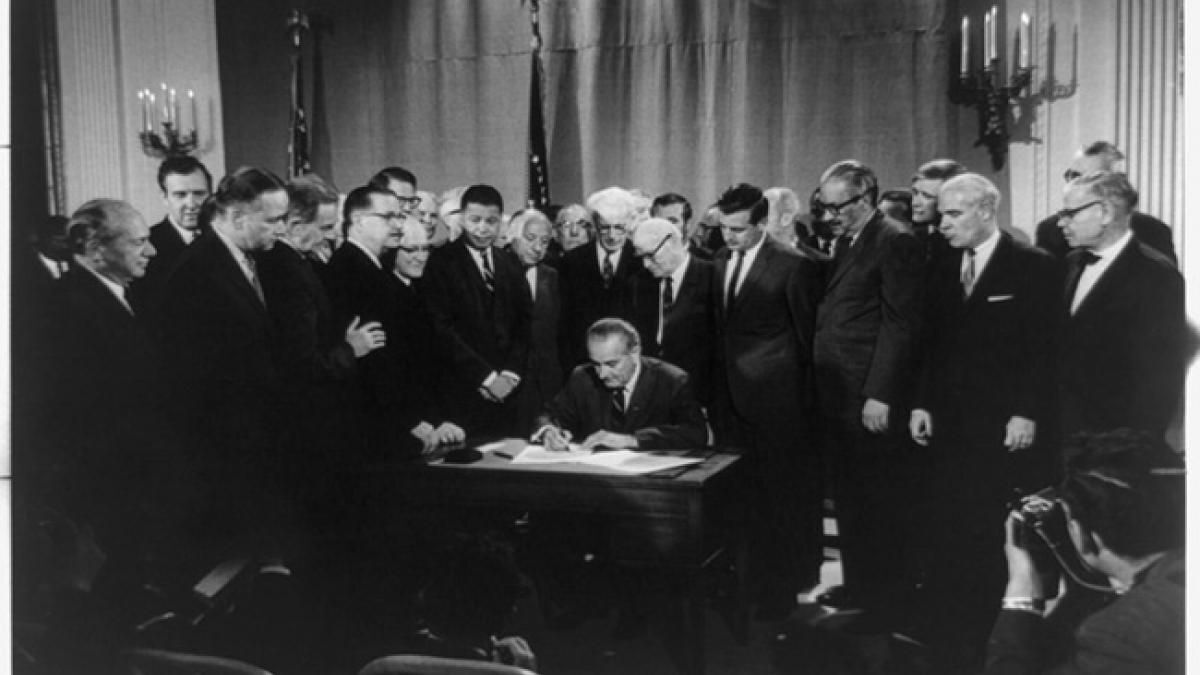
On April 11, 1968, that ended. The Fair Housing Act made discrimination in the sale, rental, and financing of housing illegal on the basis of race, color, national origin, religion, and sex. Congress added disability and familial status as protected classes in 1988. A landlord could no longer refuse to rent to a family because they had children. A seller could no longer back out because the buyer came home from service with a disability. A bank could no longer offer worse terms based on who a borrower was rather than whether they could pay.
Those protections apply today, to real people in Pickens County. The veteran with a service-connected disability who needs a reasonable accommodation from a landlord has legal recourse if he is refused. The firefighter hurt on the job who is trying to close on a house while he recovers cannot be turned away because of that injury. The family with young children who keeps hearing that a rental has just been filled can file a complaint if the pattern holds.
We have seen this up close. One of the families we have served was headed by a nurse, a single mother of two daughters who had left a dangerous situation and was working every shift she could. She and her daughters were living in their car. We opened that door.
We do not discriminate. We do not steer. We look at who is in front of us, what they have done to qualify, and what we can build together.