When we asked the students from Clemson United Methodist Church's Vacation Bible School (VBS) what they'd learned about building community, one young man had his answer ready: since he lives in the retirement home, he doesn't have to pay property taxes.
He's not wrong, and frankly it's a better grasp of housing economics than plenty of adults can claim.
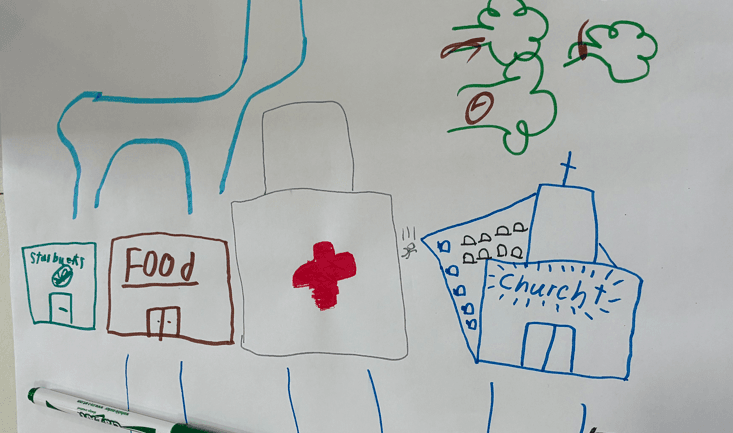
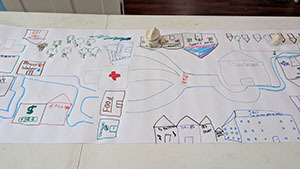
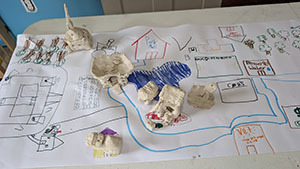
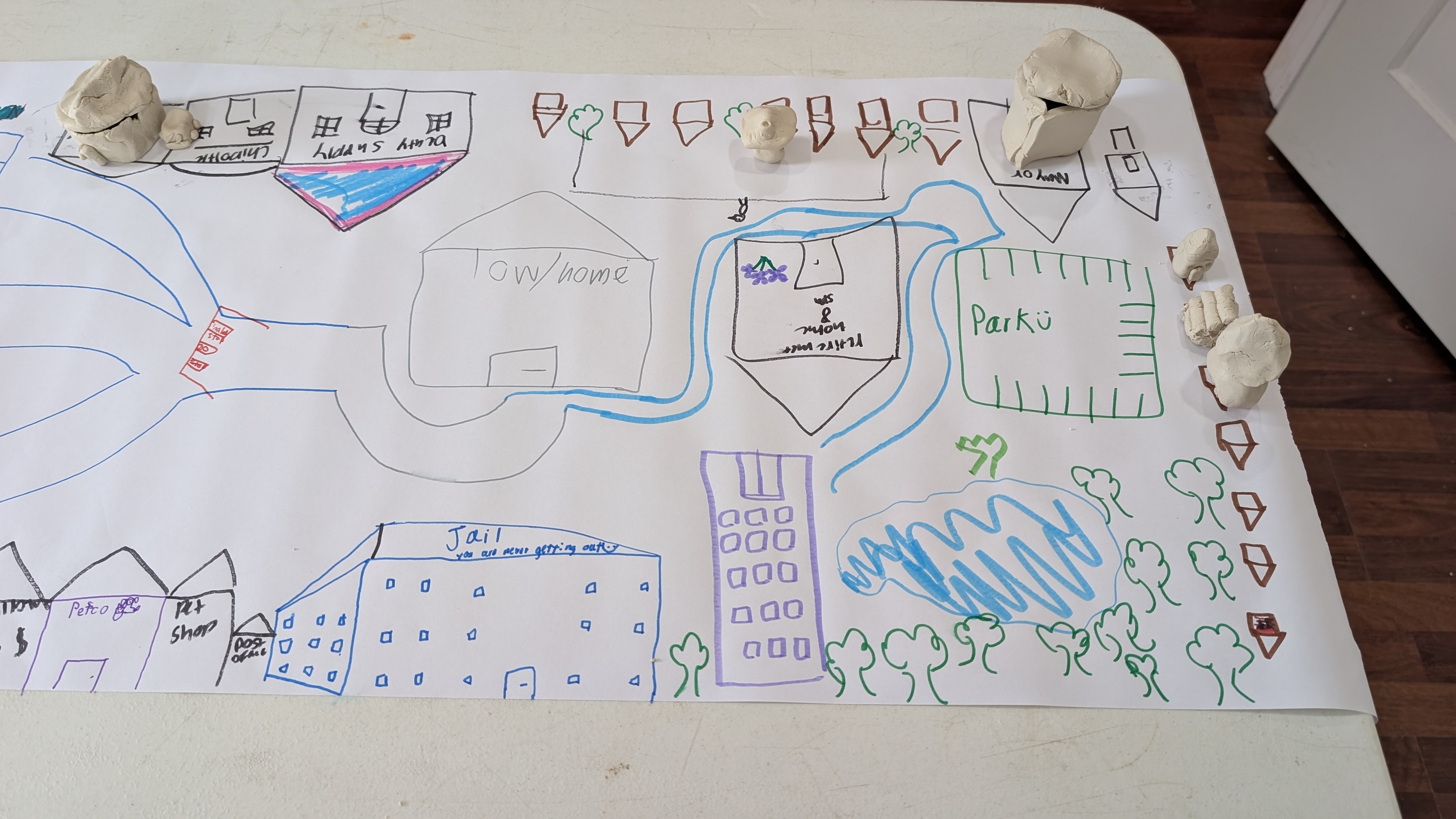
Some context: as part of this summer's VBS sessions with Pickens County Habitat for Humanity, students built a community from scratch on a long roll of paper. Each student selected a character to portray through a random draw. The characters were assigned an age, real-world circumstances, and an appropriate budget. Students then had to figure out where in their hand-drawn town that person could actually afford to live.
Our young economist drew an elderly retired woman who used a wheelchair and lived on $20,000 a year. As he worked through the problem, the whole group realized their town had nowhere she could live. He suggested a cardboard house on the edge of town, but that didn't feel right. So they fixed it: they drew in a retirement home to make sure his character wouldn't be left without a place to call home.
The rest of their map deserves its own museum exhibit. These kids genuinely thought about infrastructure: their town has a school, a church, a hospital, a grocery store, a water plant, a power plant, and a full network of roads and parking lots connecting it all. They also included a Starbucks, a Chipotle, a mall so people would have somewhere to buy clothes, a park, and a lake. The jail bears a sign reading "you're never getting out." The hospital sits next to the graveyard, with a chute between them in case things don't go well. They also made sure to include a home for LeBron James.
Underneath all the giggles, the students were working through a big question with us: what does home mean?
Early in the week, home started out as "my room," my family, the lake, where I keep my LEGOs. Then it grew. The students agreed that home is also your neighborhood, your church, your town, and your state. One student wrote that home could be "even your planet," and when we took a poll, not a single child wanted to move to Mars.
We also talked about how home lives in your senses, too: hearing the Star-Spangled Banner can make you think of home, and so can the smell of your mom baking cookies. With America's 250th birthday just weeks away, that conversation took on extra meaning. The Fourth of July is something we celebrate as a community, and it provided an excellent opportunity to share the work we do at Habitat. Our program exists to keep the communities we love strong, so that everyone has a place to celebrate their birthday or our country's.
During our time together we spoke honestly and gently about what it means when someone doesn't have a home at all, and why that's a problem a community can solve together.
Learning by Doing
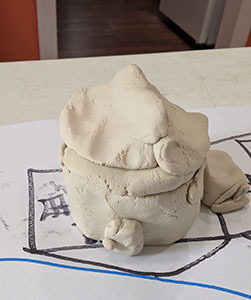
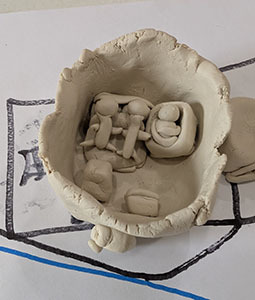
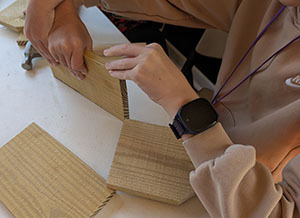
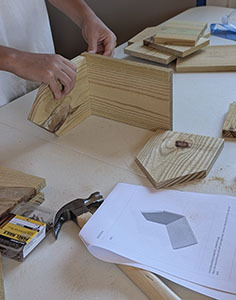
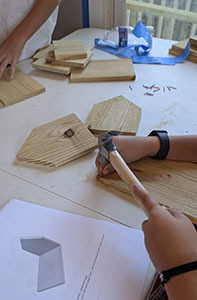
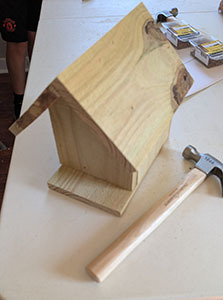
Of course, service wasn't the only thing on the agenda. Over our time with both Clemson United Methodist Church, students sculpted houses from clay, built wooden birdhouses, and explored what it takes to create places where people and communities can thrive.
The birdhouses, it turns out, came with a lesson of their own: sometimes a project brings challenges you didn't foresee, and you have to adjust your approach. Armed with hammers and the determination of the young, the students jumped right in and started assembly. Most quickly discovered they simply didn't have the muscle to drive a nail through the birdhouse walls. They gave it everything they had, and watching them try was, we'll admit, pretty entertaining. In the end, our construction coordinator stepped in with his finish nailer to complete the job. The birdhouses got built, the students learned that every construction project comes with surprises, and nobody's thumbs were harmed in the process.
Loving Our Neighbors
While Clemson United Methodist's students explored what home means, First Baptist Clemson's students focused on what it means to serve the people who live there.
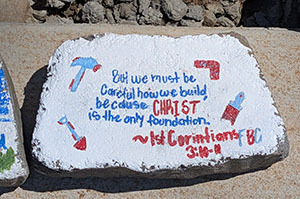
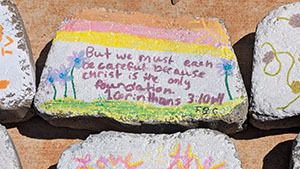
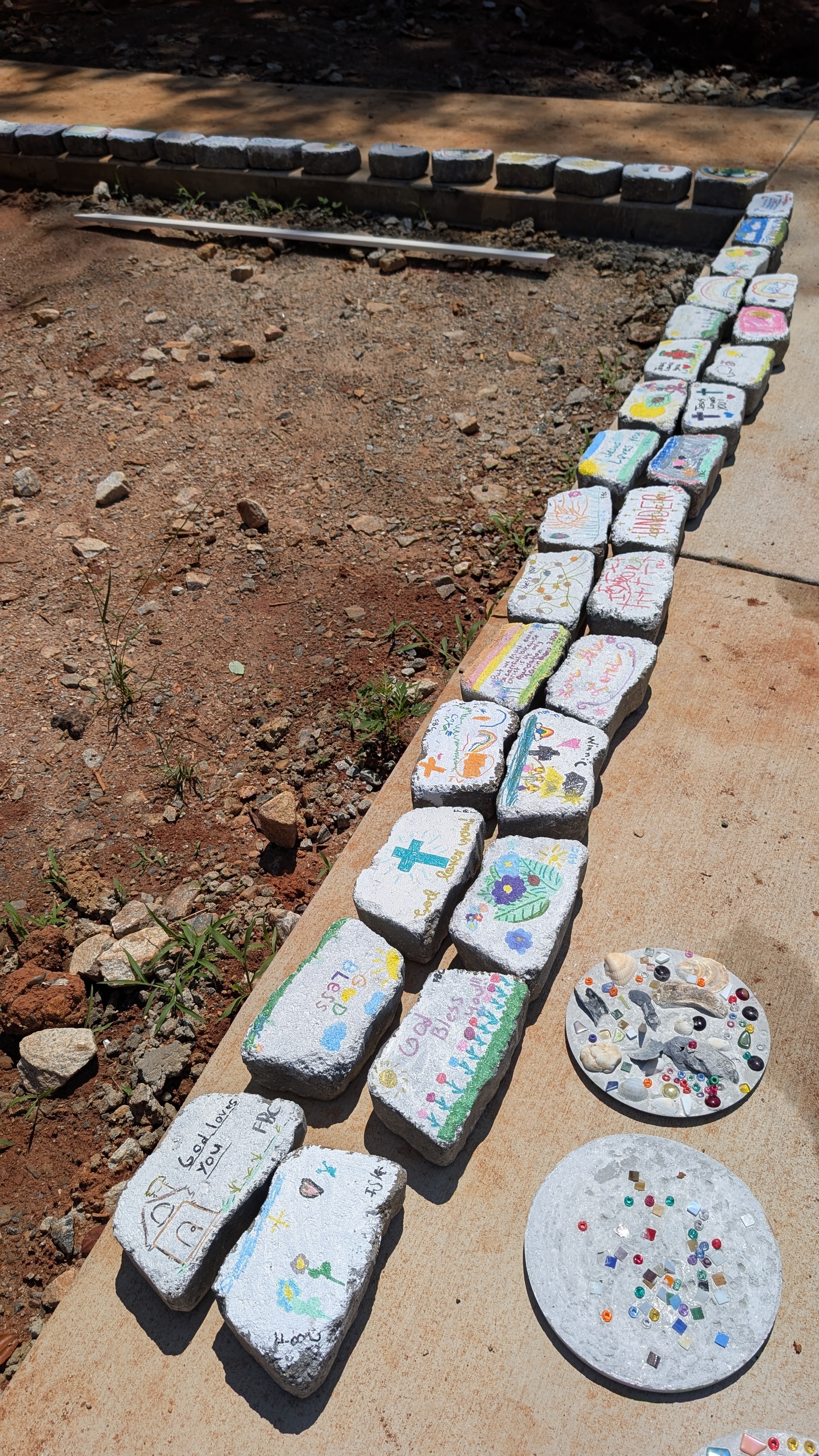
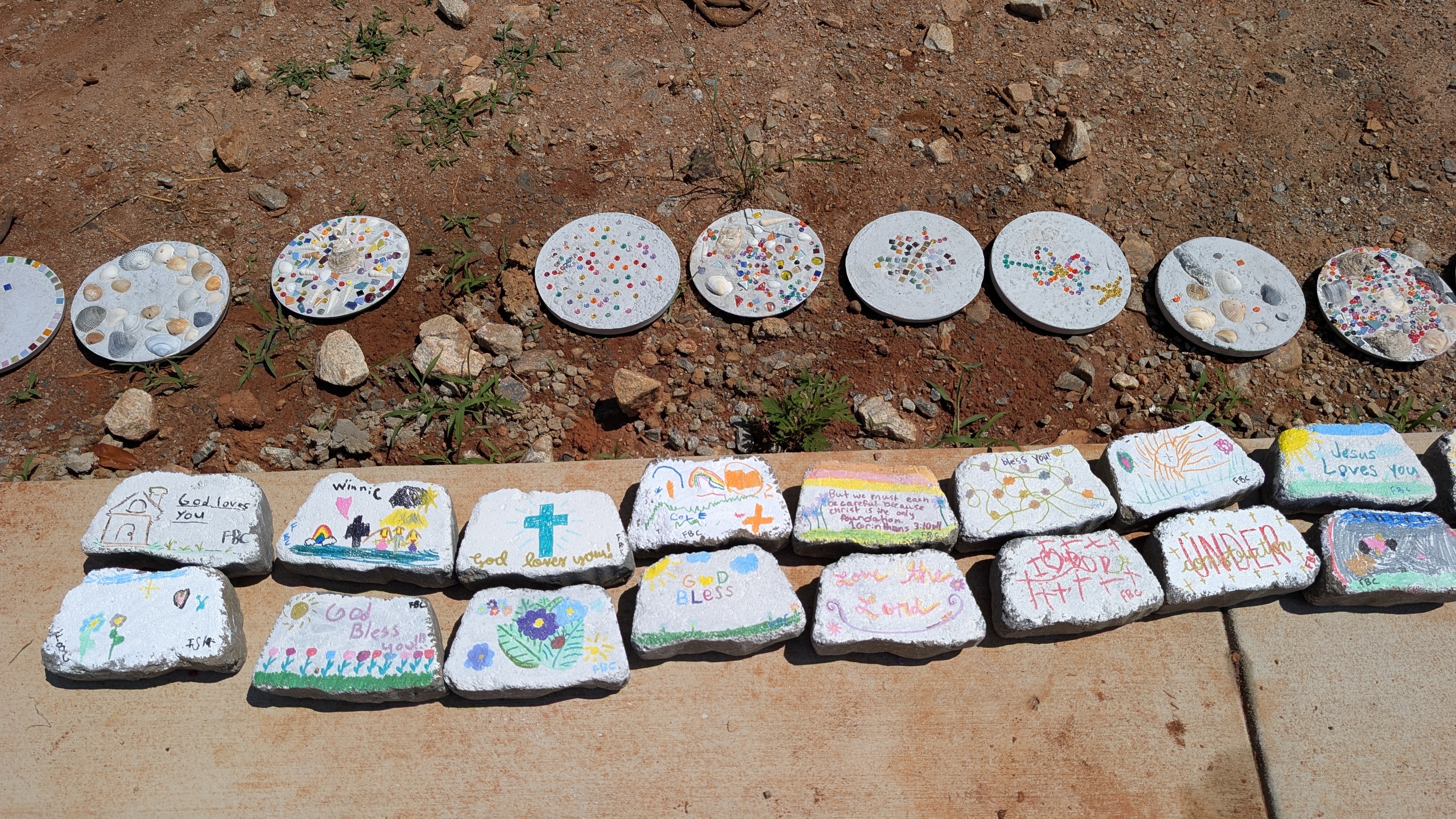
Throughout the week, they collected household supplies for Habitat homeowner partners, assembled laundry baskets filled with everyday essentials, raised funds to support affordable housing efforts in Pickens County, and painted bricks that they would later bring to Habitat as part of their service project. Through lessons, discussions, and Scripture, they explored how faith can move beyond words and into action.
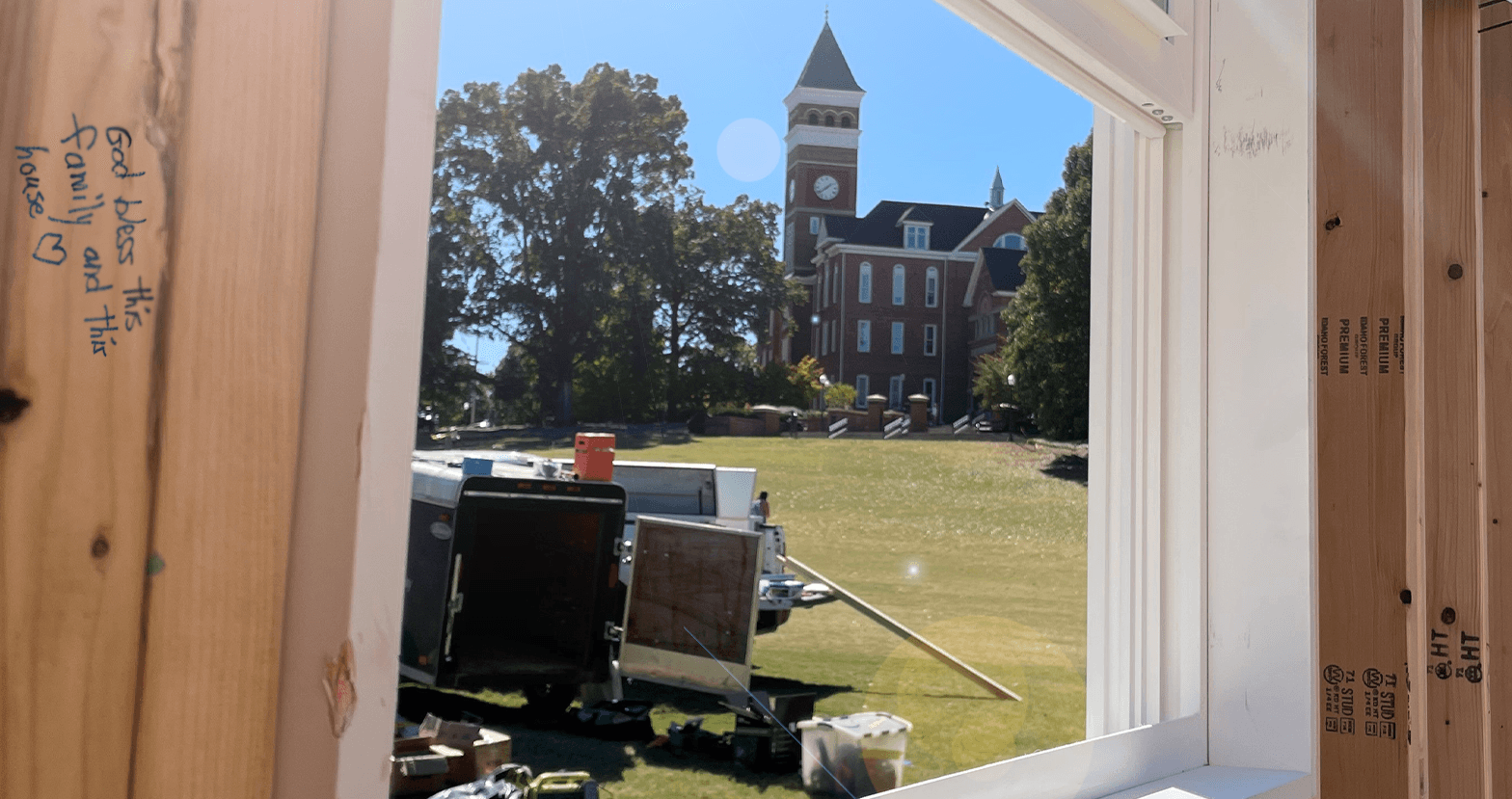
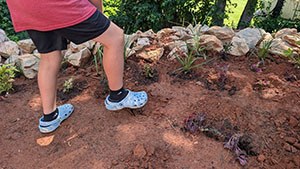
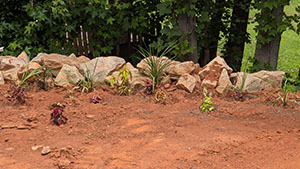
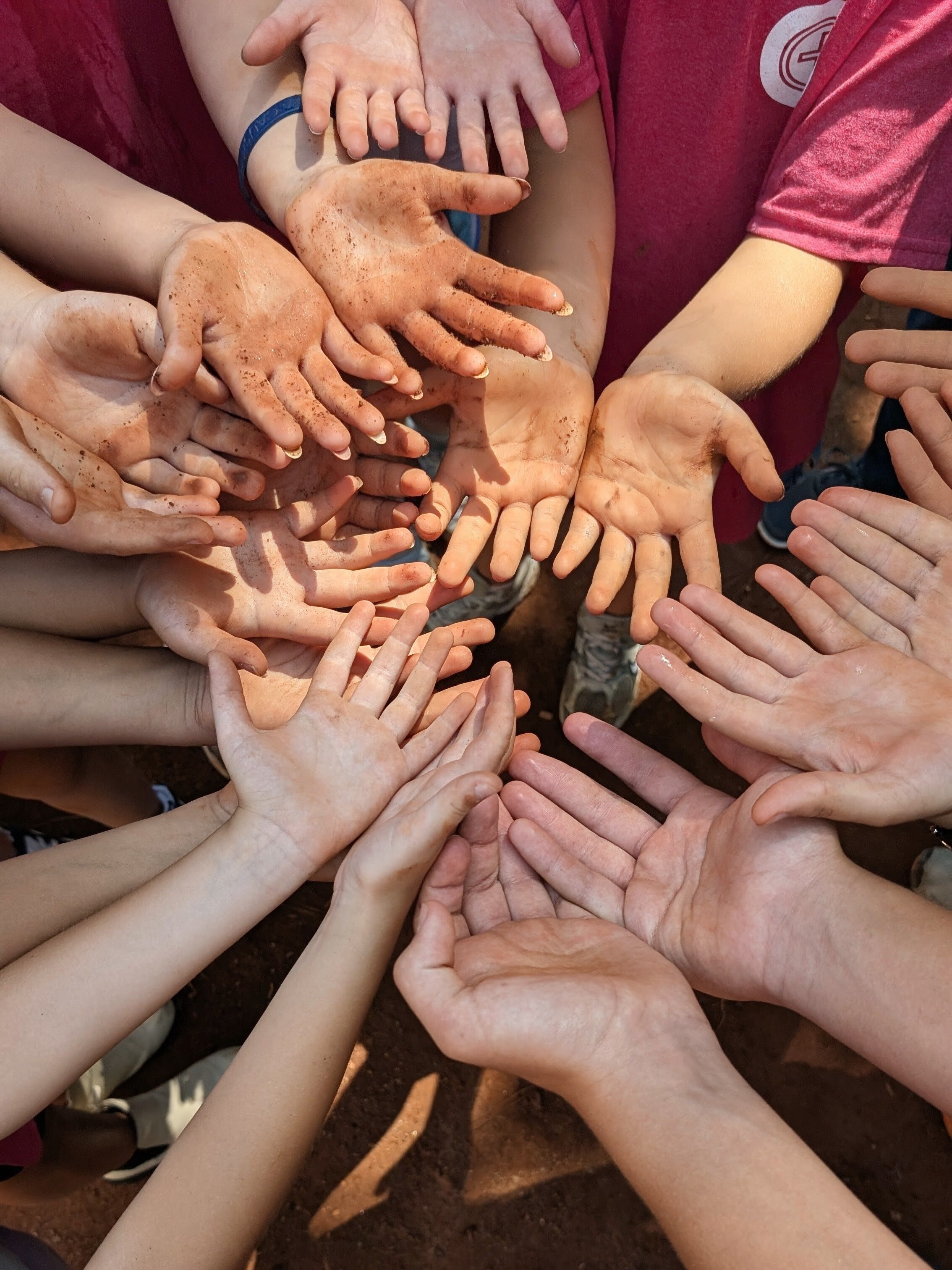
When they arrived at the Habersham build site, they didn't come empty-handed. The students brought the supplies they had collected, assembled into laundry baskets, and an array of decorated stepping stone and edging bricks they had painted throughout the week. Then they rolled up their sleeves and got to work. Armed with trowels, shovels, and plenty of enthusiasm, they helped create a landscaped garden ready for mulch.
Their week of service won't be the end of the story. In July, First Baptist Clemson's older students, rising sixth through twelfth graders, will return to volunteer on Habitat projects of their own. Taken together, their efforts are a reminder that community is built through relationships, service, and a willingness to show up when help is needed.
Building Community Together
Although the activities looked different from one church to the next, the lesson was remarkably similar. Students spent the week imagining communities, discussing what makes a place feel like home, collecting supplies for future homeowners, raising funds, painting bricks, building birdhouses, and getting their hands dirty on an active Habitat build site. Whether they were drawing retirement homes for fictional residents or spreading mulch for a real family, they were learning that strong communities are built when people recognize a need and choose to help meet it.
Last summer we partnered with one church for VBS. This year it was two, and we would love to keep that number growing. If your church, school, or youth group would like to bring a group to learn and serve with us, we'd be thrilled to have you. And if you'd like to support hands-on experiences like these, and the homes they help build, please consider making a donation to Pickens County Habitat for Humanity.
|
|
|
|
|
|
|
|
|
|
|
|
|
|
|
|
|
|
|
|